Advancements in Juice Production Technology for 2026
- hello400588
- Nov 13, 2025
- 4 min read
Juice production has come a long way from the days of manual squeezing and simple blending. As we approach 2026, the industry is on the brink of significant technological advancements that promise to enhance efficiency, quality, and sustainability. This blog post explores the latest innovations in juice production technology, highlighting how they can transform the industry and meet the growing consumer demand for fresh, healthy beverages.
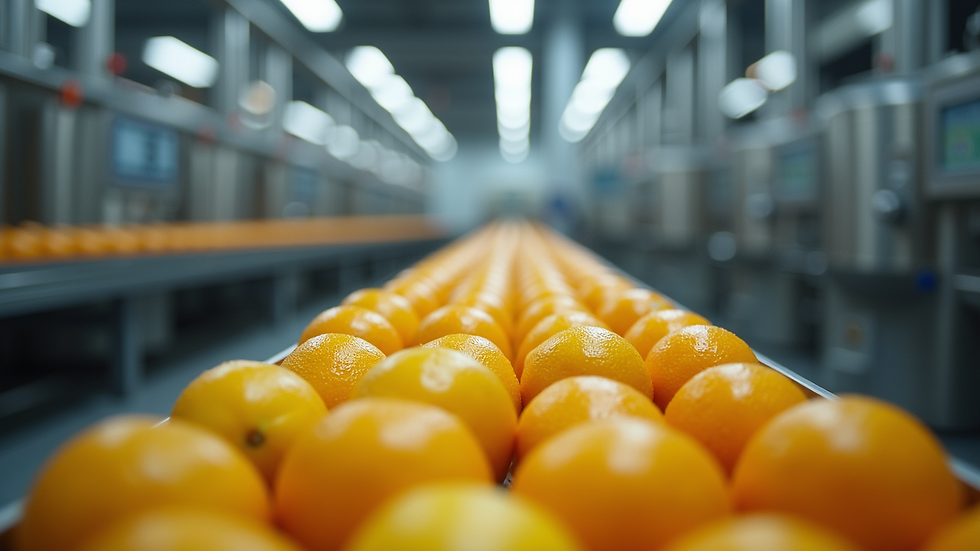
The Current State of Juice Production
Before diving into future advancements, it's essential to understand the current landscape of juice production. Traditionally, juice manufacturing involves several key steps:
Harvesting: Fresh fruits are harvested from orchards.
Washing: Fruits are thoroughly washed to remove dirt and pesticides.
Juicing: The fruits are processed to extract juice using various methods, such as cold pressing or centrifugal juicing.
Pasteurization: The juice is heated to kill harmful bacteria, extending its shelf life.
Packaging: Finally, the juice is packaged for distribution.
While these steps have remained relatively consistent, the methods and technologies used have evolved significantly.
Emerging Technologies in Juice Production
1. Cold Pressing Innovations
Cold pressing has gained popularity due to its ability to retain more nutrients and flavor compared to traditional juicing methods. In 2026, we can expect advancements in cold pressing technology that will enhance extraction efficiency and reduce waste.
Improved Pressing Techniques: New hydraulic systems will allow for higher pressure applications, resulting in more juice extraction from the same amount of fruit.
Automated Systems: Automation will streamline the cold pressing process, reducing labor costs and increasing production speed.
2. Smart Processing Equipment
The integration of smart technology into juice production is set to revolutionize the industry.
IoT Sensors: Internet of Things (IoT) sensors can monitor temperature, pressure, and quality in real-time, ensuring optimal conditions throughout the production process.
Data Analytics: Advanced analytics will help producers make data-driven decisions, optimizing everything from fruit selection to processing times.
3. Sustainable Practices
Sustainability is becoming a crucial factor in juice production. In 2026, we will likely see:
Waste Reduction Technologies: Innovations that convert fruit waste into valuable by-products, such as animal feed or biofuel, will help minimize environmental impact.
Eco-Friendly Packaging: The shift towards biodegradable and recyclable packaging materials will continue, appealing to environmentally conscious consumers.
4. Enhanced Preservation Techniques
To maintain freshness without compromising quality, new preservation methods are emerging:
High Pressure Processing (HPP): This method uses high pressure to kill pathogens without heat, preserving the juice's nutrients and flavor.
Natural Preservatives: Research into natural preservatives will provide alternatives to artificial additives, appealing to health-conscious consumers.
The Role of Automation in Juice Production
Automation is a game-changer in juice production, offering numerous benefits:
Increased Efficiency: Automated systems can operate continuously, reducing downtime and increasing output.
Consistency: Machines provide uniformity in juice quality, ensuring that every batch meets the same high standards.
Labor Savings: With automation, producers can reduce labor costs and allocate human resources to more strategic tasks.
Case Study: A Leading Juice Manufacturer
One notable example of automation in juice production is the case of FreshSqueeze, a leading juice manufacturer. By implementing automated cold pressing systems and IoT sensors, FreshSqueeze increased its production capacity by 40% while maintaining product quality. This shift not only improved efficiency but also allowed the company to respond quickly to market demands.
Consumer Trends Influencing Juice Production
As we look towards 2026, consumer preferences are shaping the future of juice production. Key trends include:
Health Consciousness: Consumers are increasingly seeking juices that offer health benefits, such as added vitamins and minerals.
Transparency: There is a growing demand for transparency in sourcing and production methods, leading brands to provide detailed information about their products.
Flavor Innovation: Unique flavor combinations and functional beverages are gaining popularity, prompting producers to experiment with new ingredients.
The Future of Juice Production
Looking ahead, the juice production industry is poised for exciting changes. Here are some predictions for 2026:
Personalized Juicing: Advances in technology may allow consumers to create personalized juice blends tailored to their specific health needs and taste preferences.
Blockchain for Traceability: Blockchain technology could enhance traceability in the supply chain, allowing consumers to track the origin of their juice from farm to bottle.
Global Expansion: As demand for healthy beverages grows globally, juice producers will likely expand their reach into new markets, adapting their products to local tastes and preferences.
Conclusion
The advancements in juice production technology for 2026 promise to reshape the industry, making it more efficient, sustainable, and consumer-focused. As producers embrace new technologies and respond to evolving consumer demands, the future of juice looks bright. For those in the industry, staying informed about these trends and innovations will be crucial for success in the coming years.
By investing in technology and sustainable practices, juice producers can not only enhance their operations but also contribute to a healthier planet and population. The journey towards a more advanced juice production landscape is just beginning, and the possibilities are endless.

Comments